Women are conditioned to defer to others. In school we were praised for raising our hand before we were called on to speak. We won favoritism and were rewarded with special privileges for being “good girls.”
We also watched boys speak out of turn, disrupt class and disregard the rules. Some boys were scolded. But others learned how to get around the rules with charm and humor. And even though their behavior was “bad,” they got attention which became its own form of reward.
So, boys learned that breaking the rules doesn’t necessarily result in negative consequences.
This difference in how boys and girls are conditioned became apparent during the COVID-19 era. At first, all non-essential personnel worked from home. But slowly that began to change.
I live adjacent to a major road. In late March and early April of 2020, I could pull out of my street onto the major road without even stopping. There wasn’t a car in sight.
But then, the week after Easter traffic began to change. Work trucks were back on the road. Then by the end of April there were several cars which I noticed were driven by men.
Even as the news media reported that people were working from home traffic steadily increased each week.
Who wasn’t working from home anymore?
My unofficial surveys indicated they were predominantly men.
To me this made sense.
From my decades of working with men, I knew many men who always showed up to work no matter what. They came to work because they thought of themselves as “essential.”
When COVID-19 broke out, we understood this was an emergency situation. Therefore, the only people who went to work were people who dealt directly with the emergency (doctors and nurses) and those who provided critical services in support of the emergency (grocery store workers).
But then we stopped calling these people “emergency workers” and began calling them “essential workers.” This opened the door for more people to return to work because to men “essential employees” means something very different from “emergency employees.”
Having spent my career working with the trades, I know plumbers, roofers, HVAC mechanics and electricians respond to emergency situations and provide “essential” services. This is why they were the first ones out on the road after Easter 2020.
I also know that when “routine” trade services such as maintenance are delayed, bad things happen. Things break and can quickly escalate into “urgent” and even “emergency” situations. Consequently, crises were created across many industries and workplaces.
Most men understand this natural progression in their work.
They know authorities can’t command “shelter in place” and expect everything in existence to freeze. They know the forces of physics, biology, nature and weather certainly won’t listen. And these forces will create a growing ripple effect. More and more of us will need to resume normal activities to prevent the escalation and spread of “urgent and emergency” situations.
Men are also acutely aware that the faster someone is required to return to work, the more essential (important) they are.
So, men began their progression back to their workplace in the order of their real or perceived importance.
Men don’t want to be seen as one of those people who can disappear and not be missed. Because, if no one misses them, then their job isn’t important…and can be eliminated.
This is why once back in the workplace men quietly note who is and isn’t in the office. They assess the pecking order. They note who sees their job as important and who doesn’t.
Now as women, our good girl conditioning tells us to listen to “the experts” who tell us to keep working from home. If we raise our hand to ask if we should come into the office, our workplace’s “official statement” is that we should continue to work from home. So, we wait for permission to return to our workplace.
But are we the only ones waiting??
How many of our male colleagues have gone back to the office either full time or part time?
Do we know? (They certainly know we are still “at home.”)
We need to know. We need to know if we are foolishly waiting to be praised for being a “good girl” who follows all of the rules but also sending the message that neither we nor our job is essential.
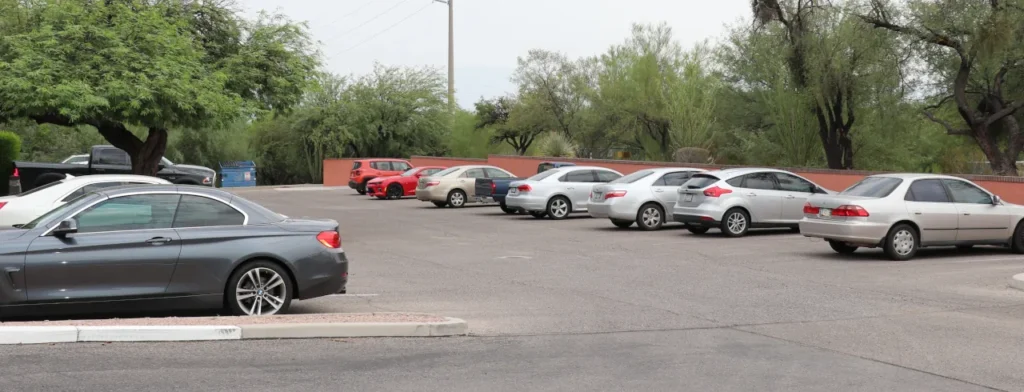
So, if you haven’t done so yet, drive by your workplace during work hours. See how many and whose cars are in the parking lot.
Go into your workplace, even if you have to go in at night. Take a look around and gauge the daytime activity. You will be able to tell who does and doesn’t come into the office.
This information will tell you whether you are leaving yourself out and ultimately leaving yourself behind.
Only you can know when the right time to return is. Just make sure you aren’t the last, unessential worker to return.