I am on the board of a small organization where all board members have equal power. However, our current President is on a power trip and is trying to use the organization for his own personal purposes. Another woman and I are countering his efforts but we go about it very differently and get different results.
The other woman is upset because he doesn’t respond to her. At first she assumed she intimidated him and made him back down. But, now she realizes he dismisses her entirely – like she isn’t even worthy of a response or acknowledgement. She is very upset by his dismissal.
She doesn’t realize that the reason he dismisses her is because she doesn’t assert herself as his equal.
For example, he cancelled a next board meeting with no explanation. My response was to question why the meeting was cancelled and when it would be held – I wanted an explanation. By making him owe us an explanation, I didn’t let him treat the rest of the board as insignificant minions, subject to his whims. I didn’t let him off the hook. I asserted our equality.
The other woman’s response to the cancellation was “Thanks for the update. Do you have a future date in mind?”
She responded as if he were her boss. She subjugated herself and put all the power in his court. She didn’t ask for an explanation and therefore gave him permission to treat her according to his whim. She left it to him to decide when and if the meeting would be rescheduled. She gave him exactly what he wants – control with no accountability to the rest of the board.
When he didn’t respond, she didn’t have anything left in her court to reassert herself with. But I did. And I continued to assert myself and the rest of the board.
If you are going to challenge a man then you must continuously assert yourself. Once you concede your ground you will not get it back. You will be dismissed from that point on. This is the situation the other woman put herself in and got very frustrated by.
She, like many women, believed that if she asserted yourself, it would be interpreted as her trying to subjugate, diminish or control the man. She was afraid of getting into a conflict with the President. However, asserting yourself is about establishing and maintaining yourself as an equal, as someone who has a right to information and to exercise your role.
When you are dealing with a man like our board President, who I label an Alpha-Wannabe, it is easy to be intimidated by your fear of a big, nasty conflict. But Alpha-Wannabes are typically very conflict adverse and back down – that is why they are Wannabes. When they do lash out, it is as a means of last resort. They are a sinking ship on their way down.
When we continuously assert ourselves, we establish our own power. This enables us to counter the over-reach of men like our board President who are on a power trip. We create a powerful dynamic of full equality for all.
Update: What I said would happen, did happen. He realized the rest of the board wasn’t going to be a bunch of bobble-headed minions subject to his whims. He quit and blamed me. I gladly accepted “the blame” as well as the thanks of many people for asserting myself and holding my ground.
Recently I read an article in which a woman wrote about her experience interviewing for a new job. She did all the research on the job and knew how much she should be paid. During the interview, the men who interviewed her offered her 30% less than she expected and said it was because she was married, her husband had a high-paying job and her career was secondary to her husband’s. Her response was simply “If that’s how you think then this job probably won’t work out.”
Reading the article my first response was ‘Bravo! See you proved there still are gender biases.” But halfway through my gut response, I stopped myself and wondered why she didn’t challenge them or push back. She just walked away. We should never do that!
There are a few sexist behaviors that we should never let go unchallenged. One is unwelcome and inappropriate physical contact. Another is unfair compensation – MONEY. As a woman working in traditionally male roles, equal pay for equal work was a continuous concern.
Back in the early 80’s when I began my career most married women didn’t have careers. If they worked they had menial jobs so, the men in my all-male office didn’t understand why I pursued a career on par with them. I could have been offended and cited a feminist mantra but that wouldn’t help me build rapport. So I gave them a creative but honest answer: “My husband has a long list of expensive toys he wants to buy and my income helps us do that. Wouldn’t you like it if your wife earned as much as you? It takes all the financial pressure off you and you get to buy more toys.”
After thinking about my answer for a couple of minutes one of my coworkers asked “Can you talk to my wife?”
Over the years I’ve come up with other creative and yet effective responses. My responses flip the situation and make men think about how their sexist behavior could personally impact them:
“So you guys are willing to pay a man who won’t do nearly as good of a job as me, more money, just because he has a family? That sounds like a really bad business decision and like you really need me. How hiring me instead of him hurt your bonuses? Will your wife appreciate you bringing home a smaller bonus because you had to take care of another man’s family?”
“My husband and I may be getting a divorce. He would very much appreciate it if you would hire me and pay me as much or more than him so he doesn’t have to pay spousal or child support. Are any of you divorced?” (Believe me, that gets men really thinking!)
As women we want the workplace to be a meritocracy where we are fairly compensated based on the results we deliver. Our performance also helps determine our manager’s bonus so we flip the situation and make our compensation about his bonus. I have no qualms about asking the simple question: “Who do you want to trust your bonus to – him or me?”
It works because men place a specific monetary value on their work and the correlation between their effort and their compensation is never far from the front of their minds. We sell them on ourselves by offering more compensation (a bigger bonus and possible pay increase) with less effort. They do the math and they get it.
As women we always have a concern that our compensation is less than our peers so ensuring our compensation is equitable is something we must always stand up for.
Admittedly when we are faced with a compensation offer that is unfair, it is difficult to come up with a good response in the moment, other than expressing our anger. Too often we let it go. We out to our car or back to our office and think of all the things we wish we said. We kick ourselves for not saying them and that only feeds into how we already let someone else diminish us.
However, just because we didn’t respond in the moment, it doesn’t mean we missed our chance to stand up for ourselves. To stand up for ourselves we again flip the situation and our perceptions – we make it all about them.
We realize inappropriate, dismissive or demeaning comments and offers says nothing about us. Just because someone tries to diminish us, it doesn’t mean we have to accept it. We can push it back on them and make it say something about them. In this case, it means they are stupid – like really stupid. Who in their right mind in the 21st century makes a sexist offer or comment?
There is nothing to stop us from going back in (when convenient) and saying in our “dumb me, I just realized this” tone, say “I can’t believe you did that in an interview. Do you realize you’ve given me a reason to claim discrimination? Do you realize the can of worms you just opened? You realize of course I have to report this! Good, I have your business cards. Thanks for wasting my time while I deal with this!”
Yes, a little acting does help. It’s even good to be a little nervous, flustered and upset because it makes them more nervous. They just had the ownership of their stupidity put back on them.
Follow up and report it to someone else in the company. You will probably get a very favorable response, especially if the company is larger. I did this early in my career when I was being interviewed for a contract job and walked out with a very generous contract.
When we stand up for ourselves we step into our own empowerment and demonstrate we won’t get pushed over and run over – and that is very important to our employers. Think of it this way – if you aren’t even willing to stand up for yourself, then you certainly won’t be willing to stand up for the company. Employers want people who take a stand.
I need to brag about my youngest daughter because she proved herself a good role model to other Millennials.
My daughter is in school to become a veterinary technician where she is required to do internships. She wanted to do an internship at an equine clinic and she researched various clinics in her area finally settling on one. When she asked her school advisers about this clinic, they told her that clinic doesn’t take interns. Several other people in her program also told her they called to ask about an internship but they were all turned down.
My daughter didn’t let what her advisers or classmates said deter her.
She gathered up her grades and letters of reference, got in her car and drove to the clinic. When she walked in she told them she was there to apply for an internship. They told her that they don’t take interns. My daughter then proceeded to tell them that she was passionate about working with horses, she owned a horse and competed in eventing for many years. She went on to say that for 12 years in order to earn extra riding lessons she got up early on Sunday mornings to muck stalls (shovel manure) and exercise horses. The clinic was impressed by her passion, dedication and willingness to work and learn.
She walked out of the clinic with an internship.
On the last day of her internship she walked out of the clinic with a new job.
Her first patient
As her mother I was proud but not surprised. I taught both of my daughters to go for what they want and not to let anyone’s “No” or discouragement stop them.
I taught them this lesson because of a workshop I took early in my career. In this workshop there were only a couple of women and about 200 men. I don’t remember what the workshop was actually titled but I always remember it as: The Career Advice Men Give To Other Men.
The speaker told the story of how he had a dream to become a fighter pilot but when he applied he was denied because he couldn’t meet the strict qualifications. He was told to give up on his dream. Then he told the audience the words I never forgot “If someone tells you ‘No,’ then you are talking to the wrong person.”
He continued his story about how he preserved for almost 3 years until he found the right person who worked with him and helped him get a waiver to the qualifications. He got his dream job.
This is the lesson women need to learn.
There are a lot of doors that are closed to all of us – both men and women. However, men and women are taught to treat closed doors differently.
As women we are taught we need someone else to invite us and open the door for us. When we don’t get an invitation, no one opens the door or the door is slammed in our face, we give up. We chalk it up to biases, discrimination and not being empowered.
Men however are told to go for what they want. When faced with a closed door, they turn the door knob and walk in. They stay until someone kicks them out. If they are kicked out, then they try again.
In my career I walked through many doors – no knocking, no invitation. I was once kicked out and the door locked behind me. I still didn’t go away. I just sat outside and waited. Eventually someone else came up to the door and went inside with him. I didn’t get kicked out again.
Empowered Women Walk Through Closed Doors
Empower Yourself – Subscribe to my articles –Contact Me
Express Yourself – Leave a Comment & Share this article
I read a lot of articles about women in the workplace and it seems we are fixated on identifying every slight, bad comment and bit of poor behavior. I’ve been told many times that the intent is generate awareness of sexual biases in the workplace and let women know what they are facing.
I can accept that but sharing bad experiences without presenting solutions that change workplace behavior does nothing to advance women. It only lets us make another notch in our “how women are treated unfairly” belt. We need solutions that actually work.
So why don’t we get solutions?
There are many reasons. One reason is because many people believe an individual woman can’t do anything to change her workplace. They believe change only happens from the top down and it takes CEO and senior management intervention to advance women.
However, that is a myth. The male-dominated workplace already knows (and it can cite lots of its own examples) that top down directed change does NOT work. Real change can only happen from within. This is why it is up to individual women to change their workplace’s behaviors.
So how do we do that?
We think outside the box. We get creative so we make sure we don’t absorb the negativity being thrown at us and allow it to diminish us.
Typically we are taught that that when we are faced with unacceptable behavior we have a binary choice – Let it go or Fight back. Too often women let things go when we would really prefer to take a stand because we don’t want conflict. We are afraid that the conflict will back fire on us – we will be seen as a troublemaker and the sexist behavior dismissed.
There is however a third option that is effective – teach men through humor.
Humor works because men like to jab, joke and prank each other. (It is what makes working with men so much fun.) When we use humor we show that we aren’t easily offended which men then interpret that as being strong and confident. Humor is also an easy way to build rapport and become part of the gang.
I’ve used humor to deal with a variety of situations from mild to crude. Here is an example of how I handled one sexism based situation:
I was a project manager working in a construction office out on a construction site when I kept hearing rumors that I wore “high heels” to work. I typically wore one of two pairs of old shoes. They had 1-1/2 to 2 inch heels and were far from my definition of “high heels.” To me they were “construction office shoes” and not something I would wear if I worked in the main office. If I went out on the construction site, I put on another pair of “site shoes” that I kept under my desk.
One day while sitting in my office I overheard another project manager on the phone whispering about my unsuitability for being a project manager. He whispered “She even wears high heels to the office.”
That was it! It was time to put this issue to rest.
The next time I went home I brought back a pair of black high heels. They weren’t sexy. They were just a nice pair of heels that I would wear with a business suit to look “professional.”
When I got to my office I took one of each pair of shoes and set them on my desk. Under the shoes I hung a sign that said “High Heels, Office Shoe, Site Shoe” with arrows pointing to the appropriate shoe.
That got a discussion going. The guys began an all-day discussion of women’s shoes and their personal preferences. I learned that my “high heels” were nice but not sexy enough to be considered “date shoes.” I told them I left my Carlos Santa shoe collection at home because I didn’t want them drooling all over my desk.
By the end of the day the matter was settled. It was determined that I didn’t wear “high heels” in the construction office. I wore “ugly shoes.”
After that the other project manager and I developed a really good working relationship. We teamed up and used our similar sense of humor to lighten the mood in an otherwise stressful environment. By not getting mad, offended and preaching to the guys, I built rapport and strengthened our team.
Throughout my career I probably experienced many more sexist incidents than most women. However, I’ve only made a few notches on my “how I was treated unfairly” belt because I chose to use humor to flip the situation. By flipping the situation, I stood up for myself and I made a positive impact on my male colleagues. Consequently the sexist behavior that was intended to diminish me only made me stronger and more secure in who I am.
I have more stories and I will share them in future articles.
Empowered Women Use Humor to Take a Stand Against Sexism
For more articles on harassment and discrimination go to The Ugly Stuff article category
Empower Yourself – Subscribe to my articles –Contact Me
Express Yourself – Leave a Comment & Share this article
We’ve all worked with that guy – you know, that guy who is so confident he has the answer for every situation and problem. I’ve worked with lots of these guys over the years. However, it was the first guy like this that I helped me figure out how to deal with them. His name was Terry.
Terry and I were in the Air Force as 2nd Lt’s together. He was “a big boy” who liked to project his body mass in an attempt to intimidate. Every morning he spent the first half hour walking around the office, coffee cup in hand announcing what time he got to work. We were supposed to believe that he was so important he had to get to work before anyone else.
As brand new 2nd Lt’s we were given a lot of “special assignments” – things no one else wanted to do so they dumped them on us. On our first group assignment, all the 2nd Lt’s gathered in a small conference room. Terry automatically assumed he was in charge. I was surprised none of the other men challenged him because according to the stereotype they should all be fighting to be in charge. Curious as to how this would unfold, I settled back to watch the Terry Show.
Terry obviously read the playbook that described how to distinguish yourself and get ahead. He followed it word for word. I remember wondering who taught it to him and if he had an overbearing father who had high expectations.
Taking charge, he decided what we were going to do and how we were going to do it.
Listening, I had questions. I didn’t think his plan was well thought out and would work. So I raised my questions to Terry and he blew me off. (I got mandozed) He was confident he knew better.
If Terry expected me to now fall in line (because the playbook says I should be intimidated) he was mistaken.
I didn’t allow his confidence to override my confidence in my doubts.
After the meeting I raised my concerns with some of the other guys but in the end we went along with Terry’s plan.
As it turned out I was right. We wound up in turmoil. Fortunately because I never gave up on my doubts, we were able to quickly put together a recovery plan. It was not fun but we pulled it out in the end.
On our next group project Terry assumed he was in charge again. He came up with the plan and again I had questions. He mandozed me again. I looked to my male colleagues for support but they didn’t want to challenge him.
After the meeting I grabbed a couple of the guys I had become good friends with and told them we couldn’t repeat the mess from last time. We held our own meeting and I told them where I thought Terry’s plan would fail. We developed a recovery plan in case I was right.
I was right – Terry’s plan failed where I expected. My colleagues and I put our recovery plan into action without even consulting Terry. We saved the project. And even though this experience wasn’t as bad as the first, it still wasn’t enjoyable. I was done working this way.
When we gathered to plan our third project, Terry stood at the head of the table assuming he was our de facto leader. As I sat along the conference room wall, I observed how he stood at the front of the table exuding the confidence of a man in charge.
However, he wasn’t the only highly confident person in the room. I was also confident. I was confident that:
Terry was primarily interested in making a name for himself and promoting his career.
Terry’s plan wouldn’t work and we would have to jump through hoops again to save the project.
If we continued to go forward with poorly planned projects all of our careers would suffer.
I didn’t have the perfect plan either.
If we all worked together we could come up with a good plan.
So, as Terry began talking, my frustration got the better of me and I suddenly blurted out “We’ve done it your way twice. Both times were a mess. We’re not doing it your way anymore.”
I got up and stood at the side of the table daring him to challenge me. (My girldozer dared him to try to mandoze me again.)
He didn’t challenge me.
Initially I took the lead. As a team we figured out how to do our project. As we worked on the project, one of my male colleagues transitioned into the project leader. Terry occasionally challenged him but the project team pushed back. Working as a team, our project was more successful than we expected.
We learned teamwork and allowing different people to lead as their skills are needed was the key to success.
For our fourth project we had to hold a fundraiser and were expected to raise at least $2,000. Our team decided to put on a carnival. As the scope of the carnival grew, we all took a leadership role. We hoped to beat expectations and raise $8,000-$10,000.
Unfortunately the week of the carnival a blizzard hit and we had to postpone. We held our carnival two weekends later and it was a hug hit! We raised over $32,000.
But our biggest surprise was how Terry stopped working to promote himself and became a team player. Over the next two years we remained a tight team. No one threw anyone else under the bus in order to order to advance themselves.
Our projects taught us a lot about leadership and teamwork, however I also learned a lot about confidence.
I learned to be confident in my questions – in what I don’t know and what I don’t understand.
Too often men want to charge off without proper planning or understanding the consequences of their actions. Women are told this is being bold and confident. But after lots and lots of experience in dealing with this, I learned it’s a red flag that they really don’t know what they are doing.
I’ve learned to counter men’s need to act by firing up the girldozer and blocking them. I voice my questions and concerns. If men can’t answer my questions then they can’t proceed until they can.
As a manager and leader, this has been critical to my success. It has saved us from wasting countless dollars and man-hours and from making mistakes that make us look professionally incompetent.
Many women don’t explore the power of their girldozer because we are taught that the mandozer is more aggressive and powerful and can run right over us. Believe me, it can’t. We have an incredible power to hold our ground, to not give in and to say “No.”
By being confident in our doubts and questions, we drive better planning and avoid catastrophes. I can’t even count how many times the guys have come back to me, hat in hand, grateful I stopped them from making a mistake. It’s in these moments my confidence gets bolstered and I get to hold up that infamous girl-sign that says “I told you so.”
Empowered Women Are Confident In The Value of Their Doubts and Questions
A couple of years ago I was introduced to a woman who coached professional women. When I told her I was in the construction industry we struck up a conversation about the male-dominated workplace. As she talked I kept thinking “That hasn’t really been my experience” but I continued to listen because I am interested in other perspectives.
Eventually she talked about how working mothers are judged differently from working fathers. That’s when it struck me that her words were directly out of the 1970’s and 80’s. I interrupted her and told her that – thanks to divorce – the male-dominated workplace has dramatically changed its attitude towards working parents. Now that men get joint custody and experience being a single working parent, they understand and empathize with the challenges of being a working mother or a single working mother.
As she began to talk again, I started wondering where she was getting her information from. She never worked in the male-dominated workplace, so in my mind I began challenging what she said.
As I tuned back into our conversation she was discussing how aggressive men are and how they use “tear-down-to-rise-up” in order to get ahead and get promoted.
Before I could stop myself I blurted out “No they don’t! That’s just something women believed back in the 70’s. We watched too much Mutual of Omaha’s Wild Kingdom growing up and believed that since survival of the fittest worked in the animal kingdom it also works in the male-dominated workplace. It’s women who promote the idea of tear-down-to-rise-up and it’s one of the biggest reasons we make.”
After our conversation I began thinking about how much misinformation about the male-dominated workplace is still out there – how, even though we are well into the 21st century, we still discuss it using outdated 20th century narratives.
The problem with the old narratives is that we wrote them while we were still dependent on men for financial security and social status. They were obtained in the larger world outside the home. We thought we understood this world and believed it was driven by power and strength. Everything we were taught in school, in history, in literature, on TV and even in fairy tales told us men always fought each other and the winner was rewarded with money, respect, power and status – everything women didn’t have.
We knew men didn’t go to work every day and physically fight each other – it was more of a mental battle. The men with the more dominant, forceful, aggressive and bold personalities were the ones who got ahead. We even believed that companies were successful because the men at the top had larger than life personalities and it was the sheer force of their personality that drove the company’s success.
http://www.123rf.com/ 29871151
By the 1960’s women wanted their own respect, status and financial security. So we entered the male-dominated workplace anxious “to compete with men” and fight for our power, wealth and place at the top. We were ready to be aggressive, forceful and climb the corporate ladder the only way we were taught – by battling the man above us, beating him and taking his place.
We assumed we had it figured out. But we didn’t know we were sold an image of the male-dominated workplace designed to portray men as heroic figures to women. The idea, that men tear-down-to-rise-up, fit our romanticized ideals and imagination but it wasn’t reality.
The reality of how men get ahead was far less gallant.
The male-dominated workplace hierarchy is really a carefully constructed network of alliances. Men use their connections to be invited to join an alliance. When the alliance does well, the men in the alliance also do well. Therefore, if a man wants to move up the corporate ladder, it is critical to be part of the right alliance.
Women went into the workplace without understanding this and that using tear-down-to-rise up brings the wrath of the entire alliance down upon us.
Alliances are built on trust. Alliance members look out for each other and take care of each other. When women used tear-down-to-rise-up men saw us as a usurper who stabbed an existing alliance member to gain entry to their alliance. This meant we couldn’t be trusted and therefore had to be removed. The alliance became aggressive and pushed the women out or down.
For women, this aggressive response reinforced our larger narrative. Men want to keep all the power for themselves. Men don’t want women in the workplace. Men are aggressive. Femininity is weak. Women need to ramp up their aggression in order to beat men in the workplace and rise to the top.
Because these narratives are self-fulling they have endured. Today they are main-stream and accepted as truths. They are told to women as career advice but actually only serve to hold women back. Let’s look at one example all women are familiar with – the conference room meeting.
We’ve all read or heard that when we attend a meeting in the conference room, we must sit at the table because that is where men sit. By sitting at the table, we can lean-in and jump into the raucous battle of ideas. Our goal is to defeat all the men so our idea is the winning idea! That’s how we show we are confident, bold and have that larger than life personality that will get us promoted. (Ironically we are told this by people who used connections and alliances to get ahead.)
But as any woman who has experienced in this scenario knows, having the winning idea is not the same as having the best solution. The winning idea is an incomplete solution that results in problems and unintended consequences. It may produce a conference room victory but it won’t deliver the expected results. And without results, you don’t get invited into the best alliances.
Let’s correct this narrative and bring it into the 21st century.
When we go into the conference room for a meeting, we aren’t after a win – we are after a solution, the best solution. To do this, we don’t sit at the table – we use the power seat. From here, we can take control of the room, stop the debate and begin collaboration. We know the best solution comes from listening to everyone and combining ideas. We want to be the person who makes this happen – we want to be the leader.
As the leader of the collaborative effort we then continue to take a leadership role through the implementation. Even if we aren’t the person officially in charge, we can still assert our leadership by continuously working the solution to keep it on track and on target.
When our efforts produce the expected or better than expected outcome, we are seen as achievers. And everyone wants to be associated with the best achievers. This is what creates new connections and invitations to join the best alliances. This is how we advance ourselves in the 21st century.
We are 17 years into the 21st century and it is way past time to drop the narratives that focus on power, competition, aggression, personality, a me-first attitude or natural male superiority. We have to understand how the male-dominated workplace really functions, what drives it and how women can excel in it.
Our 21st century success will be determined by our ability to work with and manage complex issues, problems and situations. This takes collaboration, teamwork, systems-thinking and leadership from within, all qualities women possess in spades. But it also requires one major step first – accepting that we are complimentary equals to men.
The 21st century a perfect era for women to advance – but – we have to leave the 20th century narratives behind and write new ones for the 21st century based in our inherent equality and value.
Empowered Women Think and Act In The 21st Century.
After last week’s presidential election, many of us are questioning what it will take for women to finally shatter the big glass ceiling. Is there something we are missing – something we aren’t doing or doing wrong?
http://www.123rf.com/photo
The answer is – Yes.
We are too focused on motivating, inspiring and encouraging. And not focused enough on achieving.
Men climb the ladder to success starting at the bottom as a Doer. When I began my career, this is the secret that was shared with me – I was told what types of jobs and roles to go for. And which ones were dead-ends.
As Doers, our jobs are directly involved in producing our workplace’s tangible products and services. These jobs are traditionally male – they develop, plan, sell and execute the workplace’s products and services. There is direct one-on-one interaction with the product or service. This interaction allows Doers to directly correlate their actions to results. They get to say those very important words:
“This is what I made happen!”
When we create results, we transform ourselves from Doers to Achievers.
Achievers are the ones who climb the corporate ladder and create a merit-based workplace.
Being an Achiever levels the playing field to help women overcome any gender-biases that may exist. When we play the Achiever card, we literally say “You can go with his performance or you can go with mine.” Then we give them the look that says “Do you really want to risk your career and bonus with him?”
Because our workplaces are performance driven, they tend to go with the best Achievers. Therefore, achievements give us power.
To me, this presidential election drove this point home. Voters wanted change, they wanted achievements so the best Achiever won.
But wait – Trump won. Wasn’t Hillary the most qualified person to ever run for President?!
This is the important distinction we need to make. Qualifications aren’t achievements.
There is no doubt that Hillary prepared to be President. However there was a hole in her preparation – she wasn’t the traditional workplace Doer who worked her way up based upon the merit of her achievements. Ironically, she took a very traditional path – she spring-boarded off of her husband’s political success to in order to launch her own political career.
Historically, this is very acceptable. Many of the first female leaders came into their positions because their husbands or fathers were leaders. Widows filled their husband’s vacant positions – 47 women have filled their husband’s Congressional seat and many of the early female governors came to office following their husband’s death. The world’s first female prime minister, Sirimavo Bandaranaike of Ceylon, took over her husband’s seat after he was assassinated. Indira Gandhi built her political career using her father’s legacy. So there is ample precedent for Hillary to launch her career from her husband’s.
Except this is America. The land of Doers and Achievers. The land of the self-made man…and the self-made woman. We are wary of people who short-cut their way to the top – we expect them to earn it. So anyone who takes the short-cut, better produce a host of achievements.
This included Hillary.
She ran for the NY Senate seat vacated by longtime Democrat Sen. Moynihan at the urging of the Democratic establishment. They were interested in her because of her high profile, not because she had a long list of achievements in NY state government.
When she ran for the Democratic nomination in the 2008 presidential race, she had to make it on her own merit. To be honest, I don’t think in 2008 America was fully ready for a female president. However I still think she could have gotten the nomination if she had a long impressive resume of achievements. She could of played the Achiever card and told Obama he was still wet behind the ears and needed to go back to the Senate and accomplish something before he thought about being President.
Following the 2008 election, Hillary became Secretary of State, but again, not because she had great international experience and achievements. It was preparation for the 2016 presidential race where yet again, the system/ the establishment decided she would be the 2016 Democratic nominee.
By 2016 Hillary had all of the qualifications, but did she have a resume full of achievements to go with it?
I did a google search on Hillary’s accomplishments and made a list of them. Then I looked at them as a manager who was hiring someone and applied the infamous “so what” test. (This is when you read the accomplishment and then ask “so what?”)
Early Career:
Fought for children and families. So what? (What did you accomplish? What did you change?)
First Lady:
Told the world that “Women’s rights are human rights.” (What did you do next? What countries changed their laws as a result of your efforts?)
Fought for Healthcare Reform as First Lady. (It failed.)
Worked with Congress to pass Children’s Health Insurance Program. (Good accomplishment! But that was 25 years ago. How did you capitalize on to improve other programs for families and children?)
NY Senator:
Helped get 9/11 responders the healthcare they needed. (Helped. As NY Senator you should have “led the effort.”)
Helped expand veteran benefits for National Guard and reservists. (Again, helped – not “led the effort.”)
Negotiated ceasefire between Israel and Hamas. That year was the most peaceful in Israel in years. (Good accomplishment! Saved lives!)
Forced Iran back to the negotiating table and temporarily halted its nuclear enrichment program. Helped negotiated tough sanctions against Iran. (Good! But again, helped – not led.)
Was present in the situation room when Asama Bin Laden was killed. (So were the fly on the wall and the mouse in the corner. What was your contribution to getting Bin Laden? )
Convinced President Obama to use military intervention in Libya. (One word – Benghazi)
I was surprised how much the word “helped” was used to describe Hillary’s accomplishments. I don’t know if the people writing the articles used “helped” to convey a team effort or because she really had a secondary role , but I guarantee you, that if it this was a man, “led” or “lead” would be used a lot more. There would be a direct connection between his actions and results – there would be no doubt he made it happen.
There are no short-cuts to real success for anyone because even if you take the short-cut up the ladder, you still have to achieve.
For most of us, there are no short-cuts. We have to become skilled Doers who get things done, make things happen and get results. Our resumes have to read as a list of our accomplishments:
Led marketing campaign and secured $250 million in new contracts, raising annual revenue by 85% for 4 years.
Reduced safety lost time incident rate from 1.4 to 0.8 in 2 years.
Reduced quality defects from 10 per unit in 0.8 in 6 months.
Converted a projected $7 million loss into a $3.2 million profit in 10 months.
Reduced employee turnover from 22.4% per year to 12.1% per year in 2 years.
Doubled the number of women in management positions over a 3 year period.
Creating results is how we get seen as Achievers and Leaders. This is how we get people to support and promote us. We always have to remember that our workplaces must perform, they must produce so they look for Achievers and Leaders.
And we can’t be shy about touting our achievements. If we are, then we miss out on the best part – achievements make us and our team feel good about who we are! Achievements motivate, inspire and challenge us to grow and to reach for even greater achievements. They create the enthusiasm we need to aspire to be our greatest selves.
http://www.123rf.com/
Being an Achiever working with a team of Achievers is one of the best workplace experiences we can have.
When we are ready, women will break through every glass ceiling. But it won’t be one selected woman doing it for us. That’s not our way. We will do it together as a group of highly qualified Achievers and Leaders.
Sexual harassment is back in the headlines. And it is pretty much a repeat of what happens every time the issue is raised. There is a lot of sensational media drama as the story swirls around pitting her word against his. Without witnesses or proof there is no resolution and no accountability.
As women we still think we’ve achieved something because we “increased awareness” and shined a light back on an important issue. But in reality we’ve done little to help women feel they can take a stand and get justice. We’ve done little to make women feel they will be believed.
At the heart of the problem is that we no longer have a definitive line that says “You don’t treat women that way.” I am old enough to remember when that line existed and there was more gentlemanly behavior. Over the years I watched the line become blurred and erased.
One reason why is because we empower every woman to draw her own line as to what offends her. What offends one woman another woman lets drop. So there a lot of different lines.
Each woman also draws more than one line. Most of us divide inappropriate comments and conduct into three categories.
The most flexible category is all the stuff we roll our eyes at and blow off. It is “inappropriate” but we aren’t so sensitive that we are personally offended. We can even find some of it funny. We know that if we call men’s behavior “unacceptable” then we also have to police some of our own.
http://www.firerescuedogs.com/
I remember when they guys in the shops were told to take down all of their Snap-on Tools calendars because they were labeled “offensive” even though there were no women around. They protested because the secretaries had Hot Fireman calendars out in the open in the office. After some good and eye-opening discussion the Hot Fireman calendars were banned too and all the sexy calendars were relabeled “unprofessional.” (Even if the calendar was to raise money to save puppies – Lifeline Puppy Rescue)
At the opposite end of the spectrum is the category of all of the comments and actions that are worth taking a stand against. These are the sexual harassment situations we speak up about immediately – sometimes on our own by simply saying “Stop It” and sometimes by reporting it. We expect the behavior to stop and the offender to suffer the appropriate consequences.
In between these two categories is all the murky stuff. In here we find all of the comments and actions we find offensive and consider sexual harassment but don’t report. We don’t know what to do about it, so we let the offender get away with it. We buy into the idea that it isn’t worth the hassle or that nothing will come of it anyway. This category makes us feel unhappy with ourselves because we want to take a stand but don’t.
There are a myriad of reasons why we don’t report an incident. I’ve been in that situation.
A male colleague made an offensive comment and I didn’t report it because I didn’t think my employer would treat the situation properly. Two weeks later the man’s employer approached me because they had complaints about him from other women. I told him the man made an offensive comment but I needed a day or two to think about it because I suspected my employer would handle it incorrectly. Ironically I trusted the man’s employer to handle the situation with complete integrity.
I decided to report the incident. The man was fired. And my employer did as I expected – it was mishandled in a manner that was even more offensive than the original comment. What was done fell into the category of reporting immediately and wanting consequences. Fortunately when I reported how it was mishandled, my complaint was handled appropriately and I felt vindicated.
When we get into this murky category there is an important change we need to make in how we deal with the incident. Even though we don’t report it, we document it!
I document incidents by sending an email to myself. I like this method because it automatically records the date and the content of the email can’t be altered. It is also easy to file away on your computer for safe keeping…just in case you need to pull it out later.
I typically write the email while I am still at work while the incident is still fresh in my mind. The email should states all of the facts about what happened, how you felt about it and why you didn’t report it. It doesn’t have to be eloquent.
If you have a good friend and confident, copy them on the email or forward it to them. Have them send back a reply that they received it. They are your witness.
Make sure you also use your email to document the incidents you report – no matter how supportive your workplace seems! You can also document all kinds of murky incidents at work including safety and ethical issues. I’ve used it a lot to document when I saw someone else being treated inappropriately who wouldn’t report it.
We should never assume we are being singled out and are the only one being treated inappropriately. I guarantee you, you are not alone. The person who is inappropriate with you is also doing it to someone else. It could be women in other departments, female clients or outside associates.
It could even be a male colleague. In an environment where women experience inappropriate behavior, men are also harassed and bullied.
Without documentation all the behavior in this murky category stays a dirty little secret. But with documentation comes the power to do something.
Word about inappropriate behavior eventually gets out. The stories start and people discreetly talk about their experiences.
You realize this is a bigger problem and there is a pattern of behavior.
Because of your emails you now have documentation and proof. You can take a stand. Even if each of the single incidents isn’t “that bad” the volume or repetitive nature of them, make them worthy of reporting. You can do something about the scummy little secret that pollutes your workplace.
All too often we brush off behavior in the murky category and regret it later. But if we document the incident we can say or do something about it when the time is right. Even if we don’t take a stand for ourselves, our documentation may give credence to someone else who is taking a stand.
We have the power to reduce the endless swirl of he-said-she-said that stagnates this issue. We can build the credibility that encourages more women take a stand so we build momentum. In time we can re-draw the definitive line where we all agree “You don’t treat people that way.”
Empowered Women Document, Document, Document!
For more articles on harassment and discrimination go to The Ugly Stuff article category
Every 4 years, when the U.S. has a presidential election, women’s issues are discussed…mainly by male politicians, commentators and pundits who ignorantly speak with great authority . This cycle was no exception.
We had a debate over which bathrooms transgender people should use. My facebook news feed had posts and comments from men who didn’t want trans women using the women’s bathroom for fear of sexual predators. My response was: “Guys stay out of it! We are fully capable of policing our own bathrooms.”
This goes to a larger societal issue – lingering paternalism where women’s issues are usurped by men. When this happens, women’s thoughts, perspectives, opinions and solutions on the issues that affect us are lost.
As women we need to change this. We need to reclaim our issues and solve them amongst ourselves.
This of course requires us to step forward and shush men. For years I’ve harbored a fantasy of being up on a Presidential debate stage with a bunch of men. When the inevitable question is asked about a women’s issue, I walk out from behind my podium and tell the men, who are all talking over each other, to “Shut up.” Then, using the death stare, I dare any of them to utter a single word. Now that I have the stage, I invite all of their wives up to join me and inform the Moderator that we will resolve the issue. After we decide how to move the issue forward, we will expect our male-dominated government to enact it. If they don’t, well then they will go to that special place called Hell on Earth for men who don’t support women.
This fantasy sustains me through the drama of our politics.
Many women were hoping this cycle all the issues we care about would have a louder voice. I had more hope when Ivanka Trump used her clout to put out a plan for maternity leave and child care tax credits. From the announcement, it sounded like a group of female political leaders developed and wrote the plan. If true, that’s a significant step forward.
However, the subject of women’s maternity leave and the discussion it merits, is being overshadowed by the need to fill the media with political drama. The plan drew immediate criticism: “More than any other problem with the plan…omitting half the population is its profoundest and most revelatory flaw.”
This is where I say “Hold on. What are they really saying?”
Are they saying that women can’t have maternity leave unless fathers get paternity leave too? Isn’t that men usurping another women’s issue?
Let’s take a minute and look at maternity leave from a purely woman’s perspective and understand what we are asking for.
Women give birth.
We need to time to physically recover and for our bodies to transition to a postpartum state. As birth mothers we also have a unique relationship to our babies. We were once one, and now we are two. That relationship deserves respect so both mother and baby emerge healthy. (Adopted children also deserve this consideration)
Giving women 6 weeks to physically recover and adjust to motherhood meets the lowest bar of civilized consideration and respect for new mothers.
So before anyone chimes in with – “What about fathers?” Or, “Maternity leave without paternity leave is discrimination.” – can we first establish that the basis of maternity leave is due to the physical demands of giving birth and give women just this little morsel of respect?
After all, we all know that getting the bare minimum of 6 weeks of paid maternity leave for all U.S. women is an uphill battle. Adding in paternity leave men will kill any plan. So let’s achieve something for women’s health so we put women’s health issues more on par with men’s.
http://www.123rf.com/photo_44699633_
To get our maternity leave we have to overcome politicians and the male-dominated workplaces that offer up reasons why the U.S. “can’t afford” it. They say small businesses can’t afford or accommodate it. They make it sound like it will be too much of an inconvenience or have too great of a negative financial impact on a company.
However, this is where I pull out and wave the great big BS flag!
Sorry, guys. Let’s be honest.
The male-dominated workplace accommodates men’s illnesses and unexpected long absences all the time. I know this because I’ve dealt with them countless times!
Early in my career my workplace had to schedule a critical Red Team review meeting around the panel members’ individual prostrate surgeries. My workplace was very accommodating even though it impacted their largest and most important contract. (As the only woman on the team, I learned more about prostates than I cared to.)
Since then I received many phone calls telling me the man who supervised a project, won’t be back to work for a while (3 months) because he had a heart attack or needed by-pass surgery. I can’t even begin to count how many times I was called to tell me a man suddenly had to take off an unknown amount of time for his high blood, diabetes, stress related ailment, immediate surgery or rehab.
We dealt with all of these situations. And they are far more difficult to deal with than a 6 week maternity leave that you know about for months.
Oh, and let’s not forget that there were financial safety nets for all of the men, even in a small mom-and-pop company. The men and their families were taken care of, somehow, someway.
The reason the male-dominated workplace can deal with these situations is because men empathize with the ailment. They also understand the work the absent man did so they don’t panic about getting his work done. The absence gives someone else the opportunity to step up and fill-in. And if the replacement screws up, no worries. The man will straighten it out when he returns. There is no doubt his job will be waiting for him.
Let’s compare this to a woman who works in the office paying bills or collecting payment from customers who takes maternity leave. If she is part of a large office, her colleagues help fill in as she takes her unpaid leave. Yes, there may be some overtime and the office may fall a little behind if temporary help isn’t brought in. But the impact is minimal.
The more critical situation is in smaller businesses where the woman is the one and only accounts payable and receivable person. The man who owns the small business doesn’t know what she does or how she does it. He is completely dependent upon her and lost without her! While he can manage when she takes a week off for vacation, a 6 week absence gives him an absolute panic attack. And that is the real issue.
So when asked about maternity leave it is easier for him to express all his fears and say “No” than to figure out how to replace her for 6 weeks. If there’s no maternity leave, he never has to leave his comfort zone.
This is why we need to take charge of our own issues. This is why we sought our empowerment and equality – so we no longer have to wait for men to champion our issues.
How do we begin?
We can all take the small steps – just keep talking about the issue. Make it a topic that is always in the air. This is an effective way to build men’s comfort with the topic and lower their resistance. (If I can hear about prostates at work, men can hear about pregnancy.)
If your company doesn’t provide any paid maternity leave, ask “Why not?” Is there something that can be done with a PTO policy? Or a short term disability plan? Find out how your workplace deals with typical male conditions that require long recovery times. Raise the idea that there should be equitable treatment across the board for all health issues.
Keep in mind that solutions come from thinking outside the box and challenging the “we can’t do that” attitude. When it comes to business, our male-dominated workplaces are very good at overcoming the “we can’t do that” attitude and making things happen. We always come up with solutions to business problems because failure is not an option. When we apply the same “failure is not an option attitude” we will find solutions to women’s issues.
If you have a Congresswoman or female Senator, keep pressure on them. I’ve already contacted my Congresswoman Martha McSally. She was the first woman to fly in combat and the first woman to command a combat aviation squadron so she is experienced in breaking through barriers to advance women. Recently, she formed a Working Group for Women in the 21st Century Workforce. I intend to get involved so the group comes up with solutions and not just talk.
The issue can also be worked at the state level. Right now California, New Jersey, and Rhode Island have paid maternity leave by making it part of a disability claim. Massachusetts guarantees 8 weeks unpaid maternity leave for all women regardless of the size of her employer. As more states implement maternity leave, it makes it easier to adopt a national policy that accommodates all women.
The bottom line is that as women we need to champion our own issues. Yes, there are a lot of challenges to making sure we don’t get lost in political or media circus. But we (our mothers, grandmothers and great-grandmothers) have been here before and with a lot less clout and power. They were successful and we can be too.
Beginning in childhood we are taught that we can’t act on our own. We have to wait for permission from our parents and other adults with authority.
We are also taught that best people – the smartest, most educated and most experienced – rise to the top of our businesses, organizations and institutions. We believe that these people have earned the right to do what they want and have the power to control the actions of those under them.
We are taught to believe in top-down systems.
Women and other disadvantaged groups are told that we need to be empowered – that those at the top need to write laws, rules and policies that grant some of their power to us. They have to give us the right to have more self-determination over ourselves. We have to prove ourselves worthy so they let us move up.
As a result we were conditioned to wait for permission.
But what if I told you that while men support the top-down system as a group, they don’t believe in conforming to it?
Unlike us, men believe that as soon as they turn 18 and become legal adults they are fully empowered. They have self-determination. They don’t have to ask permission. Men will exercise their empowerment unless a law, rule and policy specifically limits it.
This is the complete opposite of what women are taught. We are taught that “the system” oppresses us and won’t let us exercise our empowerment.
But are you sure this is true?
Or is this just what you are conditioned to believe?
If you want to do something do you ask permission of the person in authority? What do you do if they tell you “No?” Do you immediately back down? Or do you challenge:
“Why not?”
“How are you going to stop me?”
From my experience working with and managing men, I can tell you that men immediately challenge any restriction because they interpret it as limiting their empowerment and self-determination.
Actually most men don’t even ask for permission. They just go and do what they think is best. This is because men value their right to do what they want, how they want, when they want. They value being autonomous.
This is the real reason why men want to rise to the top in an organization. At the top they have more autonomy. To men this more important than having the power to control others. (Men know how difficult it really is to control other men so they don’t try.)
This is one of women’s greatest misunderstandings of the male-dominated workplace. Consequentlywe have given much more power to the system than it really has.
Even worse, we embolden those people who have control issues to abuse their positions of authority. When they do, it reinforces our beliefs in the power of the system and that we aren’t empowered. It becomes a self-fulfilling prophesy.
Men understand how not standing up for their right to exercise their autonomy erodes their autonomy. Therefore, they look at situations by asking – How is this going to affect my Autonomy?
The real reason your boss or the person of authority tells you “No” is because if they say “Yes” then you erode their autonomy. Initially they may put your request at the bottom of their priority list hoping you won’t follow up. But as do follow up and question how they are proceeding on your request, you impact their priorities – you erode their autonomy.
For them it is often easier to tell you “No” right from the beginning or challenge you and make you drop your request.
Have you ever considered what would happen if you didn’t ask your boss for permission? What would happen if you exercised your autonomy to do what you think is best? Would your boss get mad?
Probably not. The male-dominated workplace follows the rule:
“It’s better to ask for forgiveness than for permission.”
It tells us we are empowered to act according to what we think is best. It assumes we are capable employees who sees something that needs to get done and will take the initiative to get it done correctly. If we screw it up, then we will hear about it.
For many women this type of autonomous behavior is difficult. We don’t like just going off and doing something on our own because we know whatever we do impacts our colleagues. We want to make sure we don’t adversely impact them. While this consideration makes us more hesitant to act, it is also a good thing. It is a concept that is needed in the male-dominated workplace where too many men act on their own and create problems for others.
Women recognize that we have to coordinate among our colleagues. This is something women are really good at. It is also beneficial to us because the male-dominated workplace interprets it as exercising leadership.
Acting with empowerment, autonomy and coordination, our leadership enables us to step up to solve problems and resolve issues. This in turn takes problems off our boss’s plate which he then interprets as us increasing his autonomy. He likes people who increase his autonomy.
As women, we have to abandon much of what we’ve been taught about the power of the top-down system because it artificially holds us back.
Instead we need to see our workplace through the autonomy and the right it gives us to step up, assert our judgement and do what is best. When we grab this empowerment, we also grab the opportunity to achieve. This makes us great employees and great leaders.
You go on Facebook, because you know you will find the inspirational words you need.
Your hardest time often lead to the greatest moments in your life.
Keep the faith – it will be worth it in the end.
You feel better.
You forget about work and all the things that went wrong. You know you are strong enough to deal with whatever they throw at you. You focus on how it will all be worth it in the end.
A few months go by. You have a new boss and he’s a real jerk. He makes you feel incompetent. One of your female colleagues is sucking up to him all the time and you know she is throwing you under the bus to him. You’re unhappy at work and all the negativity from work is making you feel bad about yourself.
That night while on Facebook, you see another inspirational message that makes you put it all in perspective.
Don’t rely on other people for your happiness and self-worth. Only you can be responsible for that. Accept who you are – the good and the bad and make the changes in yourself YOU want to make. Don’t change who you are based on who others want you to be.
You feel better.
More time goes by and work is bearable. You’ve gotten use to your boss and his quirks. You’ve worked out a relationship with him that isn’t great but it is manageable.
You know you aren’t really happy. You want more but can’t seem to find the motivation, time or energy to make any changes.
Then once again on Facebook you see another inspirational message.
The people who find happiness are the ones who don’t make excuses.
If something is broken, they fix it.
If something is wrong, they make it right.
You want to find happiness. You don’t feel like you are making excuses. It just seems like things aren’t broken yet. They aren’t quite bad enough to warrant making a big change.
Time passes. There are ups and downs. Through it all you stay where you are. Never quite miserable but never quite happy either. You feel stuck.
You wonder why you can’t move forward. What’s holding you back?
The answer may be surprising.
It may be all those inspirational messages you’ve been reading. They may be inspiring you stay exactly where you are.
Sound crazy?
It’s not. It’s partly due to how women are wired and partly due to what we are taught.
Women are different from men. When we are under stress we don’t fight or take flight. We tend and befriend. We talk to a friend, air our grievances, vent, bitch, etc. Once we get it out, we feel so much better. We can go on.
I call this Stress Endurance.
Our Stress Endurance allows us to hang in there and deal with it. Any woman who has given birth, raised children or taken care of a dying parent knows what I am talking about. We are designed to cope. Mankind has always relied on our incredible ability to cope.
While this makes us incredibly strong, it also has a downside – especially when others know how to use it against us.
Other people, our workplaces, media and society all know that if they can pacify women, we won’t demand change. We will stay put.
While I was aware of this for many years it wasn’t until I took a marketing course that I learned just how much it is used against us. Media plays on our feelings of inadequacy, inferiority and vulnerabilities. It knows that when we feel bad, we want to tend and befriend.
In response it offers us all kinds of “friends.” They come in many forms, from words to a wide assortment of products all designed to make us feel better.
Once we feel better there is no need to change the situation.
But eventually something else happens and we need to tend and befriend again. We go back to our “friends.” And the cycle repeats and repeats and repeats.
What our “friends” won’t ever tell us is how to stop the cycle by fixing what is wrong. But then why would they? If we didn’t feel bad, we wouldn’t need them. It is in their best interest to keep the cycle going so we keep going back to them – reading the words, buying the products.
Even worse, we are told we are powerless to fix what is wrong or to change what is broken. We have to wait for others to take action and change things because we aren’t empowered. This gives us permission to accept the status quo and to keep using our “friends” to do nothing more than cope.
I consider this one of the greatest hoaxes being played on women today. It is 21st century oppression. Our understanding, empathy and good feelings are being used and manipulated to hold us back.
As women, we have to train ourselves to become consciously aware of this phenomenon. We have to see past feeling good. We have to look into what caused the situation and what we can do to change it. Only then can we break this cycle of being used.
The truth is our stress endurance doesn’t exist just so we can endure a bad situation because we are too weak to do anything about it. It exists so we have the strength, fortitude and endurance to do something about it and to keep going to see it through to the very end.
Should a woman quit her job after being sexually harassed?
http://www.123rf.com/ 24249834 –
Recently Trump stirred up some media controversy when he said that if his daughter Ivanka was sexually harassed at work “I would like to think she would find another career or find another company if that was the case.”
This of course created a storm because it wasn’t the correct answer that states that a woman shouldn’t have to upend or disrupt her career because a male colleague is a jerk and an idiot. However, the idea of changing jobs isn’t something a woman should rule out or feel bad about. It can be the best decision.
After you report what happened, you know your company’s response. Hopefully, they will take it seriously and take the appropriate action. There are plenty of good men out there with values and morals. They have wives and daughters in the workplace and have no tolerance for harassment. It is important to know who these men are in your workplace even if they aren’t in your direct reporting line because they can help you.
However, there are still many workplaces that just want to make the issue go away. They ignore it. Or they “address it” by having with a “confidential conversation” with the offender and you know nothing will change. The offender now knows “what not to say,” but the attitude remains. You know there will always be an excuse as to why you don’t get the recognition you deserve or the subsequent new opportunities to advance your career.
It makes you feel angry and hurt and frustrated.
You want them to apologize. You want them to recognize what you do. You want to force them to change.
You then begin listening to outside commentary. They say you can’t let men get away with it. They have to pay! You need to sue! They tell you to fight on and get justice for yourself.
But this is where you have a choice.
This is where you feel your empowerment.
You get to decide how you want to expend your energy.
You can spend a lot of time and energy trying to fix your workplace. But to what end? Your career still won’t advance, your colleagues will be uncomfortable around you and you will dread going to work.
Is it your duty and responsibility to all other women in workplaces everywhere to fight on? Is there going to be a special place in Hell for you if you don’t?
If you don’t take a stand then will the company continue to harass and discriminate against women?
Maybe.
But maybe they won’t be hiring any more women…or men, because their business is declining.
Before you put you make the big decision on how to react, make a honest and realistic assessment of your workplace. Are they growing, stagnating or declining?
I’ve found that a workplace that allows women to be harassed has a slew of other problems as well. The same culture that believes men are superior also creates problems with clients, customers and other business relationships. It creates performance problems. My guess is that they aren’t a thriving and growing company. They aren’t the industry leader. If you make an honest assessment you will probably find yourself on a sinking ship.
So why stay with a sinking ship?
Why rescue a sinking ship?
Instead of expending your energy trying to fix your workplace, would your energy be better directed on yourself? Can you find a new job where your talents are recognized and rewarded?
What we don’t tell women enough is that we have the right to reject their workplace. We don’t have to make them see our value, we can tell them they aren’t worthy of our energy and efforts.
This is what men do. If they are mistreated, or not given opportunities they think they deserve they move on. So take a look around, are the men unhappy? Are the best men leaving?
My advice to any woman who is in a declining or stagnant backward workplace is to start looking for new opportunities. You don’t have to quit your job right away. Take your time. Find the right new job. It may take a year or two.
Contrary to what we are told by people who are zealous to make men pay, there is nothing wrong with prioritizing yourself ahead of your workplace. You aren’t upending your career; you are taking positive steps to move yourself forward. The sexual harassment may have just been the eye opening wake-up call you needed to make some changes.
What is ultimately most important in this situation is that we maintain our positive energy. By staying and fighting we attract and absorb negative energy which makes us angry, stressed and miserable. Are they worth it? Is the situation worth it? Can you make a point by having a group of people write negative comments on Glassdoor?
Only you can answer that.
Just remember your goal is to invest your energy in yourself and your future. It takes courage and strength to stand up for yourself, move yourself forward, and leave them far behind in the dust. That is what being empowered is really about.
Empowered Women Can Choose to Leave a Bad Situation
For more articles on harassment and discrimination go to The Ugly Stuff article category
Recently I read an article about how to be an effective Change Agent. The article listed the characteristics of a Change Agent as Positive, Visionary, Likeable, Open and Strategic. It is through these qualities that the Change Agent has the ability to alter the deeply held beliefs of others simply by being authentic.
http://www.123rf.com/24692596
Whoa.
The person who wrote this has never been a Change Agent!
I hate to burst anyone’s bubble but being positive, open, likeable or even collaborative isn’t enough to alterdeeplyheld beliefs. These positive characteristics aren’t a magic wand or magic fairy dust that makes Change easy. Sorry. That’s not how it works.
I’ve been a Change Agent in all of my workplaces and learned that the most important quality of a Change Agent is the ability to deal with Conflict. If you can’t deal with Conflict, then you can’t make Change happen.
When we create a Change, we are asking our team to go beyond their current comfort zone. Each team member has their own personal response. For some the Change is non-threatening. Others will be reluctant. Using the positive qualities mentioned above helps get most people on board.
But not everyone. In most organizations there is one hold out.
You know who I am talking about.
This is the person who only wants to do things their way. They have a history of resisting and derailing any attempt to Change the status quo. The team, having been through this before, knows that unless this person buys-in. the Change won’t happen. So they take a wait-and-see attitude. They want to see how you, the Change Agent is going to deal with the Difficult Person.
The Difficult Person resists Change as if their life depended on it. Change threatens how they perceive themselves. We all want to think that we are doing things right and working as hard as we can. But, to a Difficult Person Change is like a megaphone publicly announcing: “You’ve been doing it WRONG! You don’t know how to do your job because you are incompetent.”
Change triggers something from their past that causes their response. They see themselves losing status and fight back the way they were unable to do in their past.
Being good people, we recognize they feel threatened and immediately try to ease their concerns. We try to be nice, get to know them, be their friend, talk to them, hear them out etc. etc. But none of this works. Their negativity continues. We become worn down and exhausted. We are too drained to push forward with the Change and give up.
Change is just too hard.
The Difficult Person got exactly what they wanted.
The rest of the team is discouraged. They feel trapped and held hostage by the Difficult Person. They view management as weak because they can’t deal with the Difficult Person.
How do we create Change when there is a Difficult Person?
First as the Change Agent you have to get your head screwed on straight. You must accept that you aren’t a psychologist and aren’t paid to be one. It isn’t your job to resolve the Difficult Person’s personal issues. Your job is, to implement Changes, that improve your organization’ performance.
Your colleagues are also responsible to implement Changes that improve the organization’s performance. No one has the right to place their personal issues above organizational performance. Each team member can either go along with the Change or face the consequences or find employment elsewhere. It is their choice.
Sound cold?
Think of it this way: Is it fair to everyone else to be held hostage by the Difficult Person’s issues? Should their livelihood or family suffer because we want to be nice to the Difficult Person who has already demonstrated that they don’t care about the rest of the team?
The Difficult Person isn’t interested in creating a win-win scenario. They want a win-lose scenario where they are the victor.
This creates the conflict the Change Agent must overcome. Therefore Change requires a strategy.
I take a positive approach. I don’t dictate changes. Instead I present a proposed Change as a workplace problem that we need to solve as a team. I schedule a meeting where we can all sit down and work on the problem together. Since most people in my organizations hate meetings but like free food, I have these meetings over lunch. People bond when they share a meal so this increases the positive atmosphere.
Most changes in the workplace are procedural – how to accomplish something. This requires mapping out the new procedure. My job is to act as the facilitator and let my team figure out the best procedure. I stand at the white board to write out the procedure and ask simple questions such as:
What’s next?”
“Who does that?”
“Why?”
“When does that need to happen?”
“What about…”
“What else is there?”
When we are done, the Change is mapped out and the team has buy-in.
Except for the Difficult Person. They had a last minute crisis so they couldn’t attend the meeting.
http://www.123rf.com/ 36332388
If you doubt that you have a Difficult Person amongst your team, hold the meeting and see who has the last minute crisis. They will make it sound legitimate but it was contrived in order to avoid Change.
Because I have dealt with so many difficult people, I am no longer amazed by the lengths they will go to avoid the meeting. I personally tell them face to face about the meeting. I personally remind them multiple times by email and in person about the meeting. I deny them the ability to use the “I didn’t know about the meeting” or the infamous “I forgot” excuse.
With experience I got good at anticipating their next excuse so I block it. Yes it is a game. They try to get out of the meeting and I block their attempt. As the Change Agent, my job is to force them to be very creative in their excuses.
When a Difficult Person has no way out, then what typically happens is they become sick. Genuinely sick. My best explanation is that they are coming face-to-face with their own issues.
When this happens it is important to once again to have your head screwed on straight.
You have to remember you are engaged a win-lose scenario. Not with the Difficult Person, but with their personal issues.
I recognize that the Difficult Person is also held hostage by their issues. Their issues are stronger than them, their colleagues and their managers. Their issues always win. The Difficult Person needs to know someone is stronger than their issues by not giving in.
That is the real Conflict a Change Agent takes on.
On the day I put the Change into effect I clear my calendar to deal with nothing else. I know this is the day when the Difficult Person will make their last ditch effort to stop the Change. As the Change Agent it is my responsibility to handle the grenades the Difficult Person launches. It is my responsibility to work with my team to make sure the Change happens.
Standing up to the Difficult Person’s issues simply requires calling upon my super-stubborn inner 3 year old child who only knows the word “No.”
I’m not aggressive. I just refuse to budge. The Change is going to happen. It doesn’t matter what the Difficult Person says, how many threats they make or how they try to intimidate me, the Change is going to happen.
It doesn’t matter how many alternative ways they come up with, the answer is “No.” I am not budging. The change is going to happen the way the team worked it out.
I know from personal experience how far a Difficult Person will go to convince you that your proposed Change will have cataclysmic consequences. They will do their best to make you question yourself and feel incompetent. (How they are feeling inside.) But you have to remember, that the Change wasn’t 100% your idea. It was a collaborative effort, using the collective knowledge and experience of the team.
The team knows what they are doing. If any problems arise the team will figure it out. The team wants to move forward. And as the Change Agent your responsibility is to the team.
How does this all play out in the end?
Sometimes the Difficult Person breaks and suddenly everything is sunshine and roses. The Difficult Person becomes a great team player. It truly is magical.
Sometime the Difficult Person quits and finds a job elsewhere.
Sometimes you have to take disciplinary action and fire the Difficult Person.
And sometimes, senior management steps in and sides with the Difficult Person. The changes never happen and the organization never moves forward. The workplace becomes deeply dysfunctional and you leave to find a job elsewhere where your Change Agent skills can make a real difference.
However it turns out, you know you have what it takes to make your organization better. And it feels really good to know you CAN make a difference!


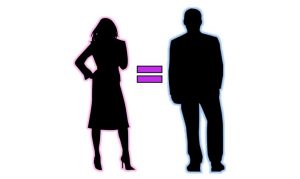




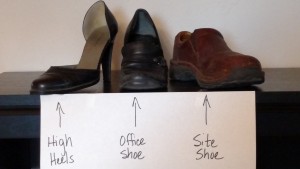 When I got to my office I took one of each pair of shoes and set them on my desk. Under the shoes I hung a sign that said “High Heels, Office Shoe, Site Shoe” with arrows pointing to the appropriate shoe.
 We’ve all worked with that guy – you know, that guy who is so confident he has the answer for every situation and problem. I’ve worked with lots of these guys over the years. However, it was the first guy like this that I helped me figure out how to deal with them. His name was Terry.


 Women went into the workplace without understanding this and that using tear-down-to-rise up brings the wrath of the entire alliance down upon us.

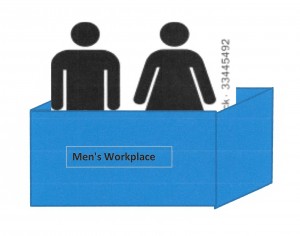 Empower Yourself – Think outside the male-dominated workplace box




 Beginning in childhood we are taught that we can’t act on our own. We have to wait for permission from our parents and other adults with authority.
 To learn more about how women can grab their empowerment, check out my